Hospitality

Turning an AI Hotel Concierge into a New Revenue and Loyalty Channel at Marriott San Jose

The Marriott San Jose deployment demonstrated that an AI hotel concierge can deliver more than guest assistance.

요약

If there's a job to do at your hotel related to guest experience, there's a good chance LiveX physical AI can do it.

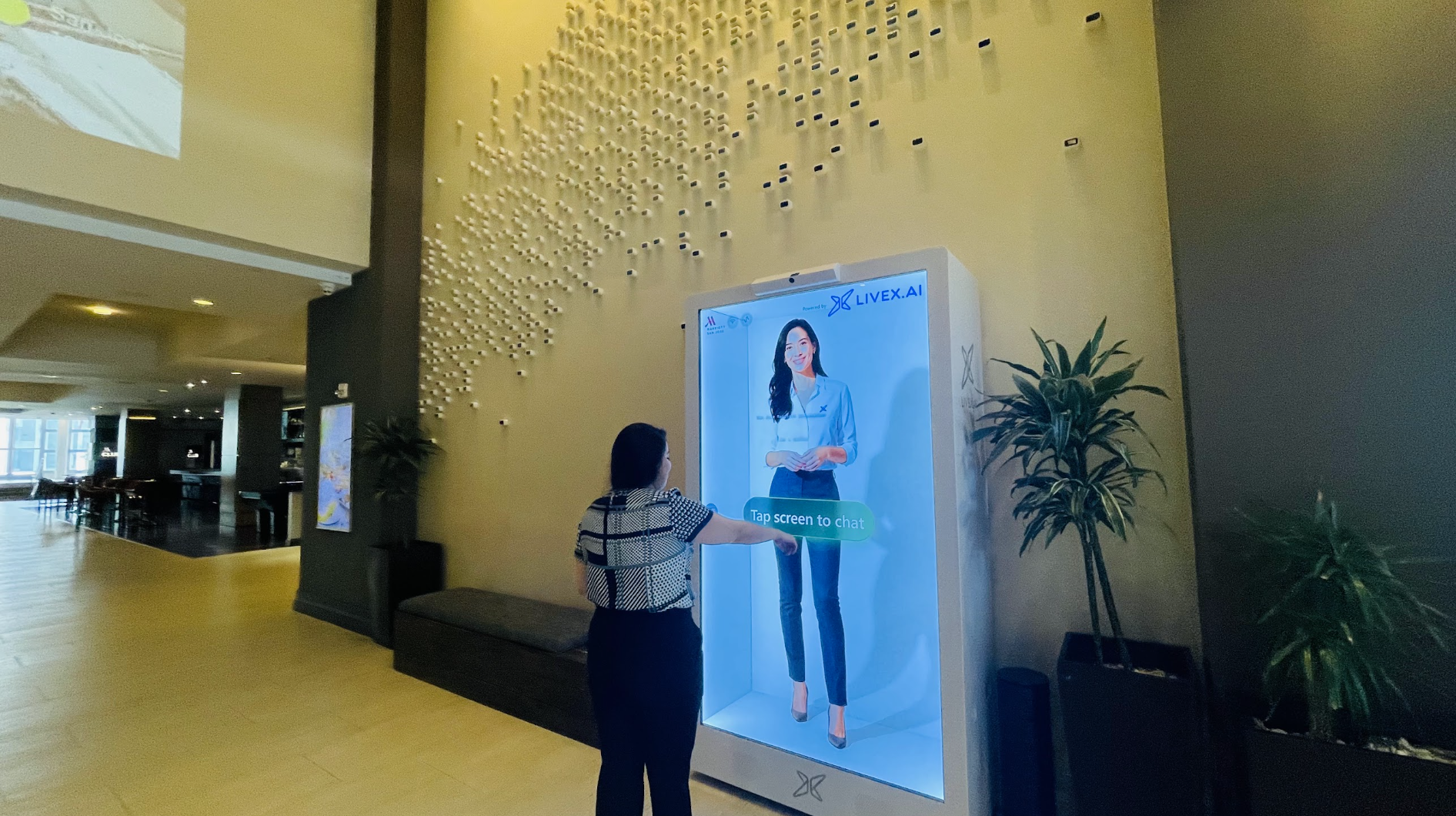
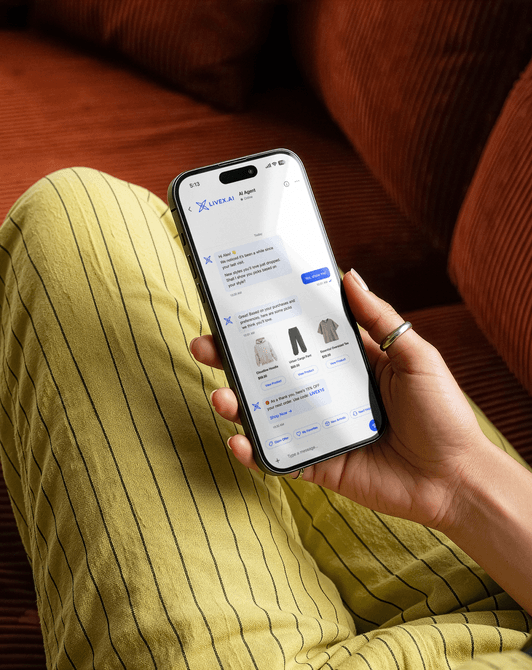
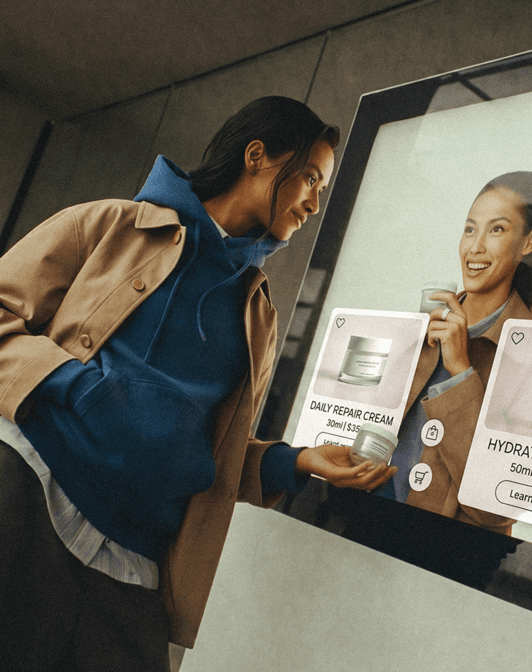
For the San Jose Marriott, one of Silicon Valley's key corporate and travel hotels, the LiveX deployment started as an AI concierge. We installed a LiveX Tower running the Lyra AI avatar for GTC 2026, ready to help guests find their way around the hotel, dig up a dinner recommendation, and answer questions in any of more than 140 languages. That alone would have been a useful deployment.

But the device kept finding new jobs to do. To boost their brands during World Cup festivities at Levi's Stadium, Google and NVIDIA sponsored a co-branded selfie activation at the hotel using our Tower hologram, turning a guest touchpoint into a revenue stream for the hotel from two Tier 1 partners. Shortly after, the San Jose Marriott ran a Bonvoy World Cup selfie of its own, tying fan engagement straight to loyalty sign-ups and converting roughly 1 in 10 participating guests into the Bonvoy program.

By the end, the same installation was doing three things at once: serving guests, generating sponsored revenue, and growing the loyalty base. This is the story of how that happened.

주요 성과

140+Supported Languages
1 in 10Bonvoy Conversion
2Tier 1 Sponsors
HundredsDaily Sessions

The Challenge

A hotel is a hard place to be a guest with a question. What's good to eat nearby? Where's the ballroom? Is there anything going on this weekend?

The answers are scattered across the front desk, a printed map, a loyalty app, and a dozen other touchpoints. For travelers facing a language barrier, the friction is even higher.

LiveX first showed up at the San Jose Marriott to solve exactly that: give GTC 2026 attendees a single, easy place to get answers in any language, without waiting in line. But as the event wound down, the obvious question was what the device would do next.

Marriott didn't want a one-off activation that went dark after the conference. They wanted something that stayed useful for everyday guests and paid its way commercially.

For hotels courting corporate clients on event activations, standing out to win those contracts is a real challenge. Good thing that challenge is exactly where LiveX physical AI creates opportunity.

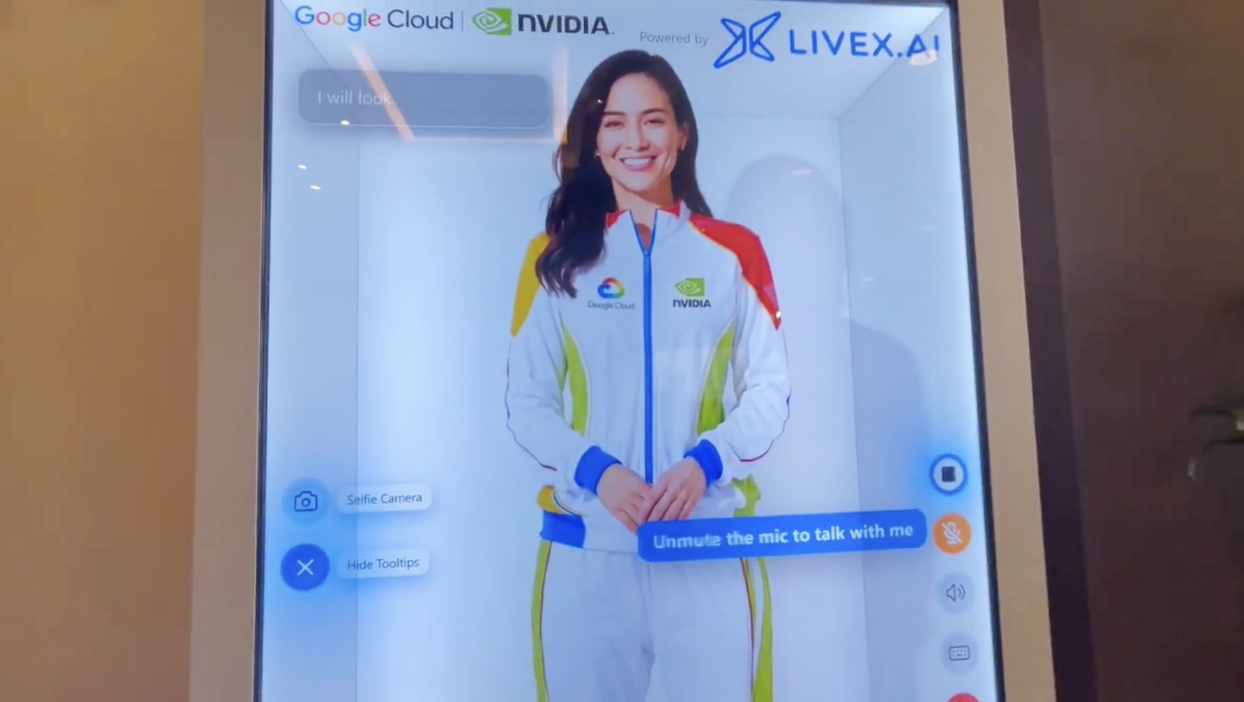
Google Cloud and NVIDIA branded Lyra AI avatar displayed on a LiveX Tower

Our Solution

So the Tower stayed. LiveX kept the device running at the San Jose Marriott with the Lyra AI avatar, turning a conference activation into a permanent digital concierge. It became a face guests could walk up to and talk with at any time, right in the lobby.

The everyday job came first. Guests could ask Lyra for hotel information, get local restaurant and event recommendations, and find their way around using integrated floor maps. Marriott could refresh what Lyra talked about as activities and events changed, so the experience never felt frozen in whatever week it launched. And because it supported more than 140 languages, international travelers could open the conversation naturally, in Spanish, Russian, Chinese, or whatever they spoke, and simply be understood.

But the same screen could do more than answer questions. LiveX built the device into a flexible platform for sponsored and event-specific content, and that's where the two activations came in.

The revenue job: Google & NVIDIA

The first was sponsorship. LiveX created a co-branded selfie experience for Google and NVIDIA. What made this valuable for the hotel wasn't just the selfie, of course; it was the check. Two Tier 1 technology companies paid to put their brands on that screen, which meant a guest-engagement space in the lobby was suddenly generating revenue. It reframes the whole installation. The concierge isn't just a cost of good service, it's a surface premium partners will pay to be on.

The loyalty job: Bonvoy World Cup

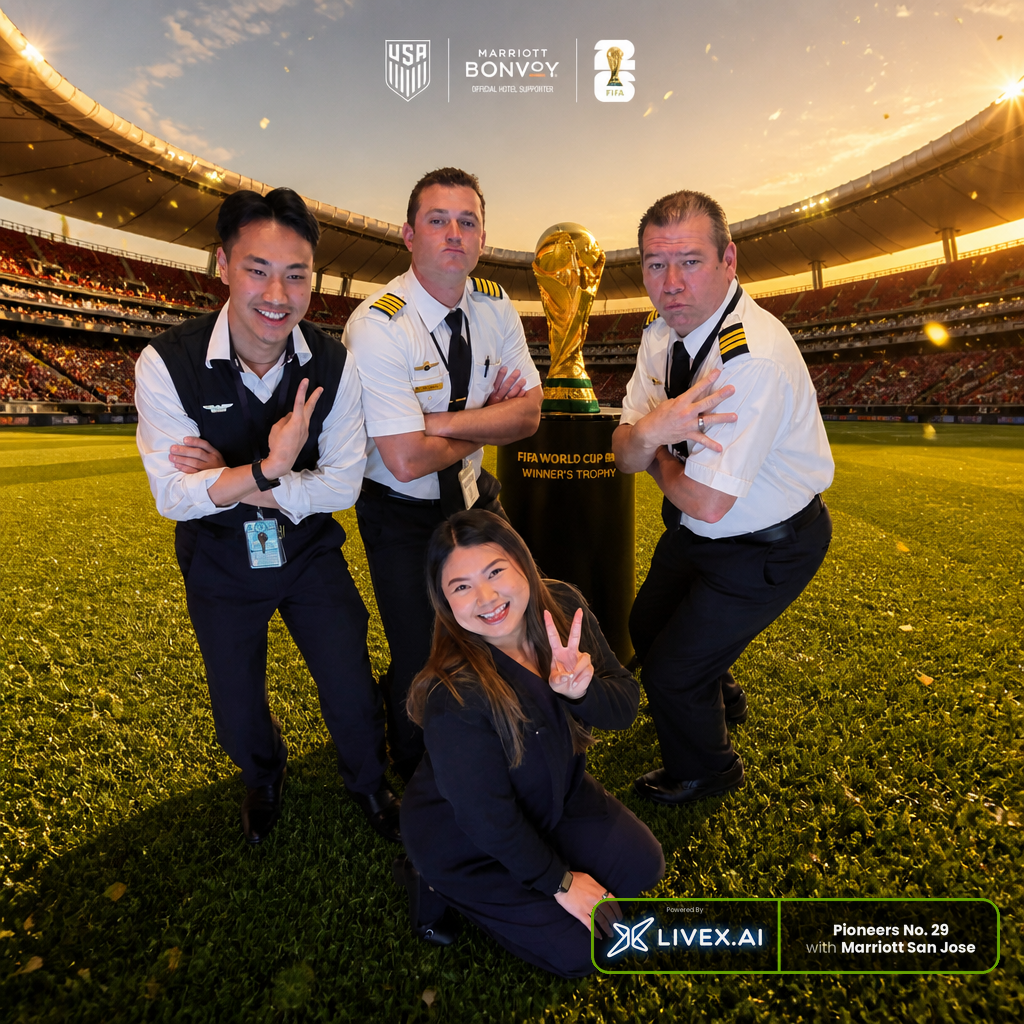
The second job was growing loyalty for the Marriott brand. Marriott ran its own Bonvoy World Cup selfie, this time with official World Cup branding, an extension of the FIFA partnership guests already recognized. But it did more than look good. Taking the selfie became an on-ramp into Marriott Bonvoy, and 1 in 10 guests who joined in signed up on the spot. That's the hard part of loyalty made easy: catching someone in a genuinely fun moment and turning it into a membership. When you have a cutting-edge AI hologram device as part of your hotel experience, creating that memorable experience suddenly becomes attainable, and repeatable.

Three Marriott San Jose guests posing in a Bonvoy FIFA World Cup selfie experience
Marriott San Jose team members posing in a Bonvoy FIFA World Cup selfie experience

The Outcome

The Marriott San Jose deployment demonstrated that an AI hotel concierge can deliver more than guest assistance. It can also function as a multilingual engagement platform, a loyalty acquisition channel, and a revenue-generating surface for corporate sponsorships.

The experience recorded hundreds of sessions per day during peak game days, in languages from Spanish and Russian to French and Chinese.

On loyalty, the Bonvoy World Cup selfie converted roughly 1 in 10 participating guests into Marriott Bonvoy. A fun moment became a measurable sign-up.

On revenue, two Tier 1 technology companies paid to be on the screen. A guest-engagement space became a commercial one.

And the device never got unplugged. What went in for GTC stayed on as an ongoing rental and revenue-share installation, then became the baseline for the SF Marriott Marquis rollout. One adaptable concierge, always on, multilingual, loyalty-building, and sponsor-ready, turned out to be a model worth repeating.